Many Windows, Lots of Information
how we know what we know - or don't
One of my early ‘viral’1 posts was “It Was in the Newsletter” where I talked about how much information we take in compared to even 50 years ago, and what prioritizing congregational communication will do to improve what you know and what you don’t.
I want to circle back to that, because I keep running into a related question about information that crops up in congregations: why not everyone knows everything that is being talked about or explored, or why some information is withheld until announcements can be made, or even permanently withheld.
I get it; it can be frustrating to be blindsided or be surprised that something happened without your knowing. I’ve been there. Especially if you’ve been in leadership, you leave your role feeling like you’re still in the loop, and it is sometimes a shock to realize you’re not.
But there are reasons, and they’re (mostly)2 good.
I offer to you my take on the Johari Window, my all too brief analysis related to healthy congregational information flow.
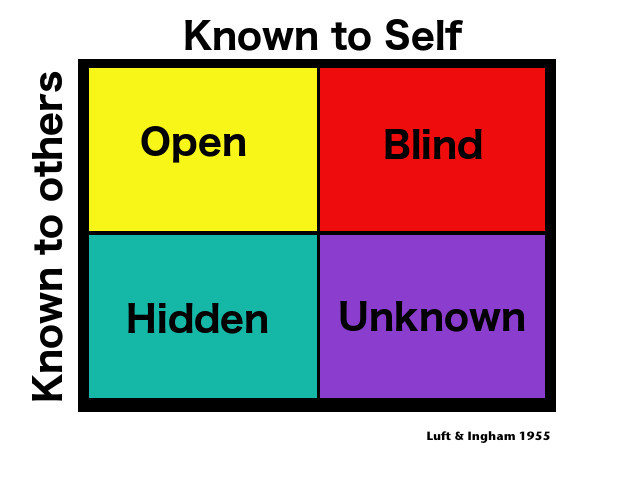
This model identifies how we take in (or not) information; it’s often used in terms of self-awareness, but it feels like an apt model for congregational awareness. Let’s break it down:
Open: Known to Self, Known to Others
This is all the stuff that gets announced and shared (as long as you listen to announcements/coffee hour conversations and read the newsletter/website/special emails). This is annual meetings, potlucks, concerts, special requests, justice actions, etc. All the stuff they tell everyone, all the stuff you should know. If you don’t know this stuff, you’re not paying attention to the myriad ways open information is shared.
Hidden: Known to Self, Unknown to Others
This is what you know about how a meeting went, or the history of a thing, or how a process used to go may be known to you because you lived it. But it may not be known to others, because no one else was there, or it never got told, or it only happened to you. In congregations, we often know things that others don’t. And that’s okay. In part, it’s because we are each having a particular experience based on our mood, how present we are, what else is happening, how it may be tied to something personally significant. I have a lot of stories about things that have happened in congregations that others don’t know or don’t notice because I had a particular experience of it, or because I am a few steps separated and can see the whole board.
Sometimes, those things can stay hidden. Sometimes they need to be told so that the thing won’t happen again, or so that the thing will be done properly, or because ultimately, it informs a later event. I think a lot about how, when helping a congregation examine how they handled crises in the past so that they could be more accountability and responsible to one another in the future, they wouldn’t tell the stories. They acted as though nothing had happened or that none of it affected them. Yet I could see it did - deeply. But they kept their feelings, their experiences, and their stories hidden from others. This was work I ultimately was unable to do with them, and my hope is that they found some other way to let those stories and the lessons from them emerge.
Blind: Unknown to Self, Known to Others
In a system like a congregation, this is stuff like the ideas you being considered by a committee or board, things that have happened that hasn’t been shared yet (from resignations to pastoral crises), or internal projects for a committee or task force (things that aren’t ready to be shared or are still in exploration). For example, your religious education team may be restructuring to create a better shared ministry, but until it’s worked out by the team, others won’t know.
And it’s not uncommon for these kinds of details not to be shared, because issues/projects in process often leave more questions than answered, and the people working on it wind up spending a lot more time smashing rumors or soothing anxious minds. Or they find themselves muddled up in controversy over it. Better to spend some time working privately - which often includes developing the communication strategy. It’s not ‘hiding’ or ‘keeping things secret’ - it’s a process.
Also, depending on the laws in your state/province/nation, there are details that you may never be able to share. For example, in the 2010s, my sister had been a popular president of the board when they had to fire a very beloved, very long-time, very part-time employee for cause. The employee’s termination incensed the community, who demanded details that by state law, they were unable to release. The pressure on the board got so bad (with harassment and slander), the entire board resigned and left. So please - if there are details that can’t be shared, don’t press. And for Pete’s sake, don’t start prognosticating or starting rumors around suppositions and facts not in evidence. This is about trusting the people and trusting the process.
Unknown: Unknown to Self, Unknown to Others
This is the leaking pipe that no one can hear or see yet. This is the worn flooring board no one knows is about to snap. This is the gap in the bylaws because it’s never come up before. No one knows, because it’s not happened or exposed itself yet. And there is no reason to be mad that the board didn’t see that missing policy or the building committee didn’t crawl through the walls to inspect every pipe every day.
Relax, folks. Things come up. We know they come up in our lives - the unexpected diagnosis, the sudden malfunction of the washing machine, the fender bender on the way to work. Things happen in our lives, and they happen in our congregation. No one is to blame for not knowing what no one can know. What matters is fixing it, addressing it, taking steps to do it properly, and communicating it.
.
No one can know everything. So consider your role in the information flow of your congregation: pay attention to the many ways information is shared, and honestly, be okay when a problem isn’t yours to solve or an issue may not be yours to know about because of privacy or legality. Remember that we are all in this together, and we build communities of love and trust in our congregations.
So trust already!