The Self Made Expert
and why a larger trend outside our walls wreaks havoc inside our walls
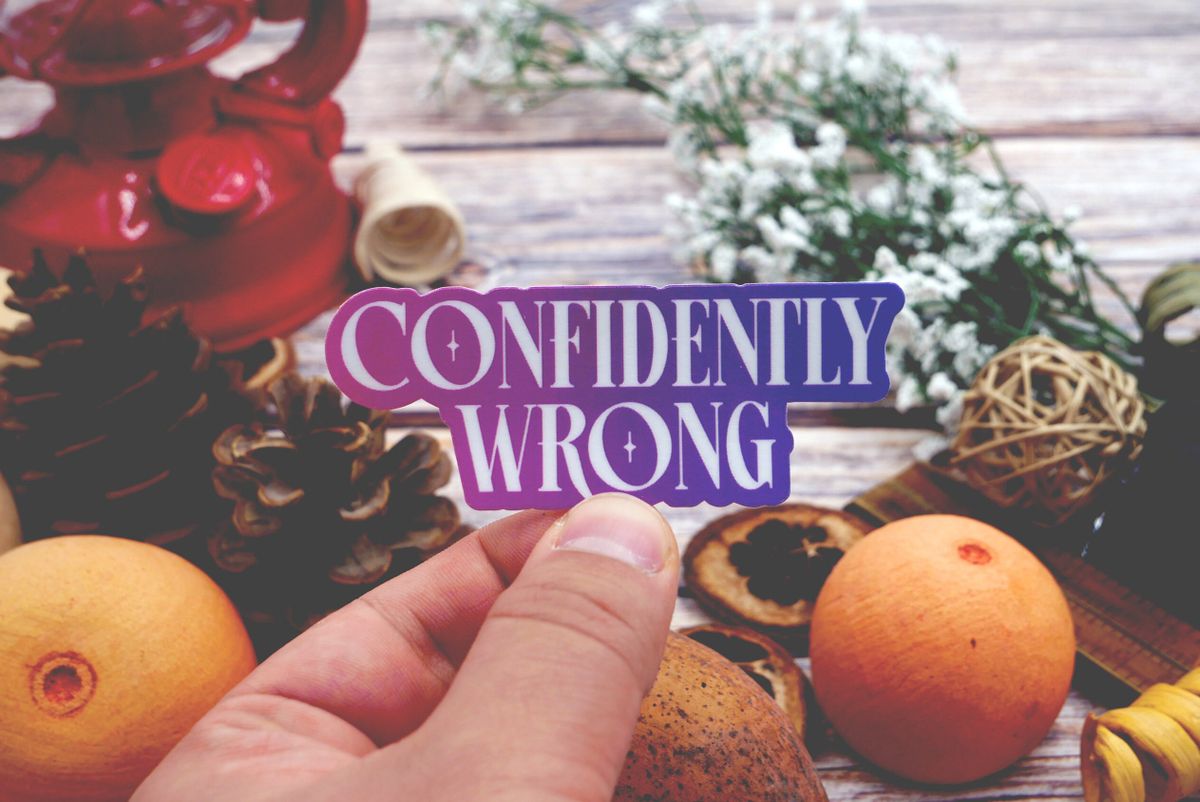
We all know the crap that comes from the “do your own research” crowd - usually spewed by flat earthers, anti-vaxxers, and other conspiracy theorists. One of the downsides of the internet is that it democratized knowledge and now everyone thinks they can become an expert.
Which is one thing if you decide to learn a lot more about cooking or the Anglo-Saxon era or Argentinian poetry… and entirely another when you decide that you clearly know more about something not in your field than organizations that are experts in the thing they do.
Why are you talking about this, I hear you ask.
It’s a good question, and one that hits close to home for probably more of you than is comfortable. Here’s the nut of it: denominational organizations are experts in the legal and fiduciary requirements/restraints of clergy pay, benefits, and taxes.
The United States in particular has some pretty wild and complex laws around this (I can’t speak for other countries, but I bet it’s not much better elsewhere). That means that a member of the clergy has different pay structures, different tax structures, and overall different requirements.
Additionally, the profession is unique in its general structure and includes an emphasis on study and spiritual care, so time is measured differently and includes study leaves and sabbaticals.
And guess what: your denominational organization has experts who provide information, guidance, and support for these unique circumstances.
I bring this up, because I’ve heard multiple times recently that a congregation’s treasurer or president has decided that because they worked for a non-profit before, or have written a contract before, or paid taxes before, that they know better than the denomination’s experts. And it becomes a more pressing issue for those denominations that have a winter-spring search process.
It’s like how a board made up of people with Ph.D.s (in topics like chemistry and literature) believed they knew more about ministry than the minister with a terminal degree in ministry (M.Div.) and consistently undermined her years of knowledge and experience.
Seriously. You think the experts in the home office are full of crap and don’t know anything about clergy contracts (and other legal/fiduciary workings of congregations)? Seriously?
Please. Do your research.
And then apologize to the clergy member you’re trying to undermine. This does no one any good, and could do some real harm. Legal harm as well as relational and organizational harm.
Look. We trust the experts on vaccines, on physics, on any number of things. How about we trust the experts on how congregations contract with their clergy.