Stop, Collaborate, and Listen
Stay tuned for a wonderful announcement at the end!
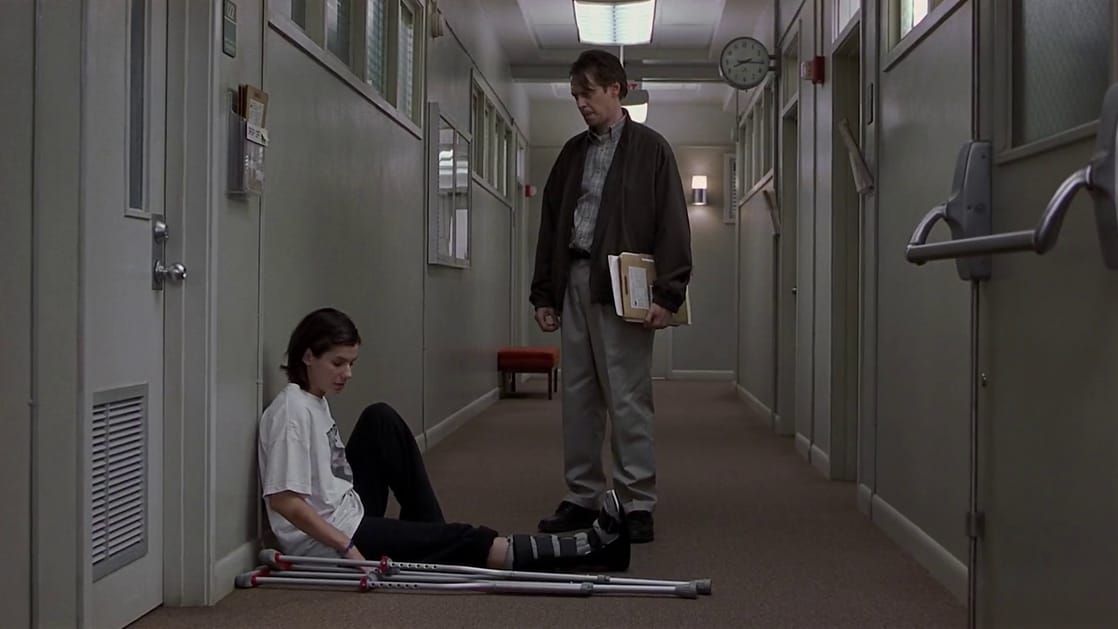
In the 2000 movie 28 Days, Sandra Bullock plays Gwen, a journalist who is sentenced to 28 days in rehab for drug and alcohol abuse. The film focuses on Gwen's journey and the ways she begins to connect with her sister, her fellow patients, and ultimately herself.
One of Gwen's core issues is feeling like she has to do everything by herself - whether forced by being the pesky little sister, choosing by being a writer in New York, or resigning to her fate because this is what life and relationships have taught her. At a crucial moment in the film, Gwen finds herself in the kind of predicament one simply cannot take care of alone, and while she staunchly refuses to ask for help, help is what she needs. The next day, her therapist (in a method used throughout the rehab center) has her wear a sign around her neck the next day:
"Confront me if I don't ask for help."
While I have never had substance addiction problems, much of this film still resonates with me. I was taught to be independent, do things for myself, take care of myself. That has included not just everyday life but also projects; the irony here of course is that I teach a lot about the ensemble when it comes to congregational leadership and particularly worship leadership.
I know I'm not alone in this.
I have noticed a trend in congregations where the hub of activity and leadership centers around one person or a tiny group of people who seem to know how everything works and independently get things done - everything from stocking the toilet paper to ensuring the nametags are out and even bigger things having to do with reporting or safety. "Ask Molly" or "Chuck does that" is a common phrase. Meanwhile, Chuck and Molly are exhausted but don't know how to even ask - more so if they're afraid no one will do it the way they did.
I should also mention that I see this the most in otherwise healthy congregations.
I think the Chucks and Mollys of our congregations need Gwen's sign. What happens if we shift our attention to discover what we normally don't notice, and then actually offer to help? Maybe - just maybe - Molly and Chuck will feel less burned out. And maybe - just maybe - more people will begin to invest their time and talent with the congregation, building a sense of shared engagement with the common endeavor.
As I thought about this a month or so ago - about the time I took October off to meet a big deadline in my doctoral work and take an overdue vacation - I realized three things: first, I've been writing Hold My Chalice for nearly four years and it's sometimes been a lot; second, while I have a huge list of topics still to write about, my brain - at least right now - is overflowing with two ministries and a dissertation; third, I am guilty of needing Gwen's sign and need to ask for help.
So I did.
I am over the moon excited to say that two beloved colleagues have said yes to joining the Hold My Chalice team as contributors! Rev. Monica Jacobsen-Tennessen and Rev. Kevin Jagoe will be adding their own insights, wisdom, and snark each month. This has the benefit of a wider pool of perspectives but also takes a little stress of me so I can write more thoughtfully and thoroughly. I love Hold My Chalice, and I know you do too; this feels like a boon for you too as you read about ideas and shenanigans from different perspectives.
I hope you'll give them a warm welcome as their first posts come online in the coming weeks.
Meanwhile, here's a bit about each of them:
Monica
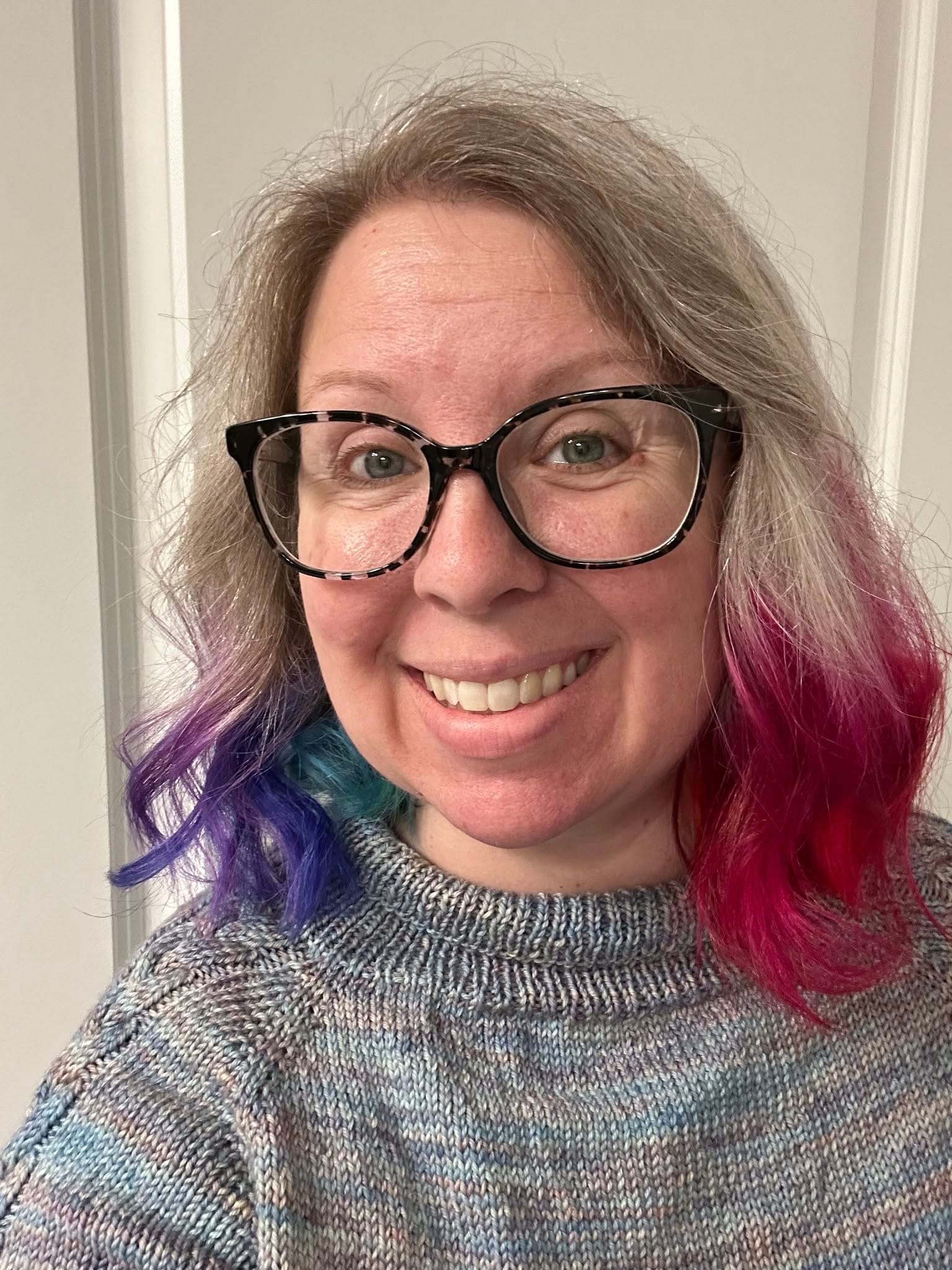
Rev. Monica Jacobson-Tennessen (she/her) has been a Unitarian Universalist for twenty years, beginning in young adulthood, and has done her best to serve on or at least drop in for a meeting of as many kinds of committees and teams as possible. She has been a religious professional since 2013 and an ordained minister since 2018, serving congregations in Oregon, Washington, and Massachusetts.
Rev. Monica thinks of congregations as ancient spiritual technology for the work of being human and living in our world, and finds congregational life to be one of the most interesting ways to be human together. She currently serves the Unitarian Universalist Congregation of Salem, Oregon, is an active member of the Pacific Northwest UU Ministers' Association chapter, and lives outside Vancouver, Washington with her spouse, teenager, and two Siamese cats with good UU names: Clarence (for the Rev. Clarence Skinner, Universalist minister who served congregations in New York and Massachusetts, then joined the faculty at Crane Theological School of Tufts University) and Cecilia (for Cecilia Payne-Gaposchkin, Unitarian scientist, Harvard faculty, and member and RE teacher at First Parish Unitarian Church of Lexington, MA).
Kevin
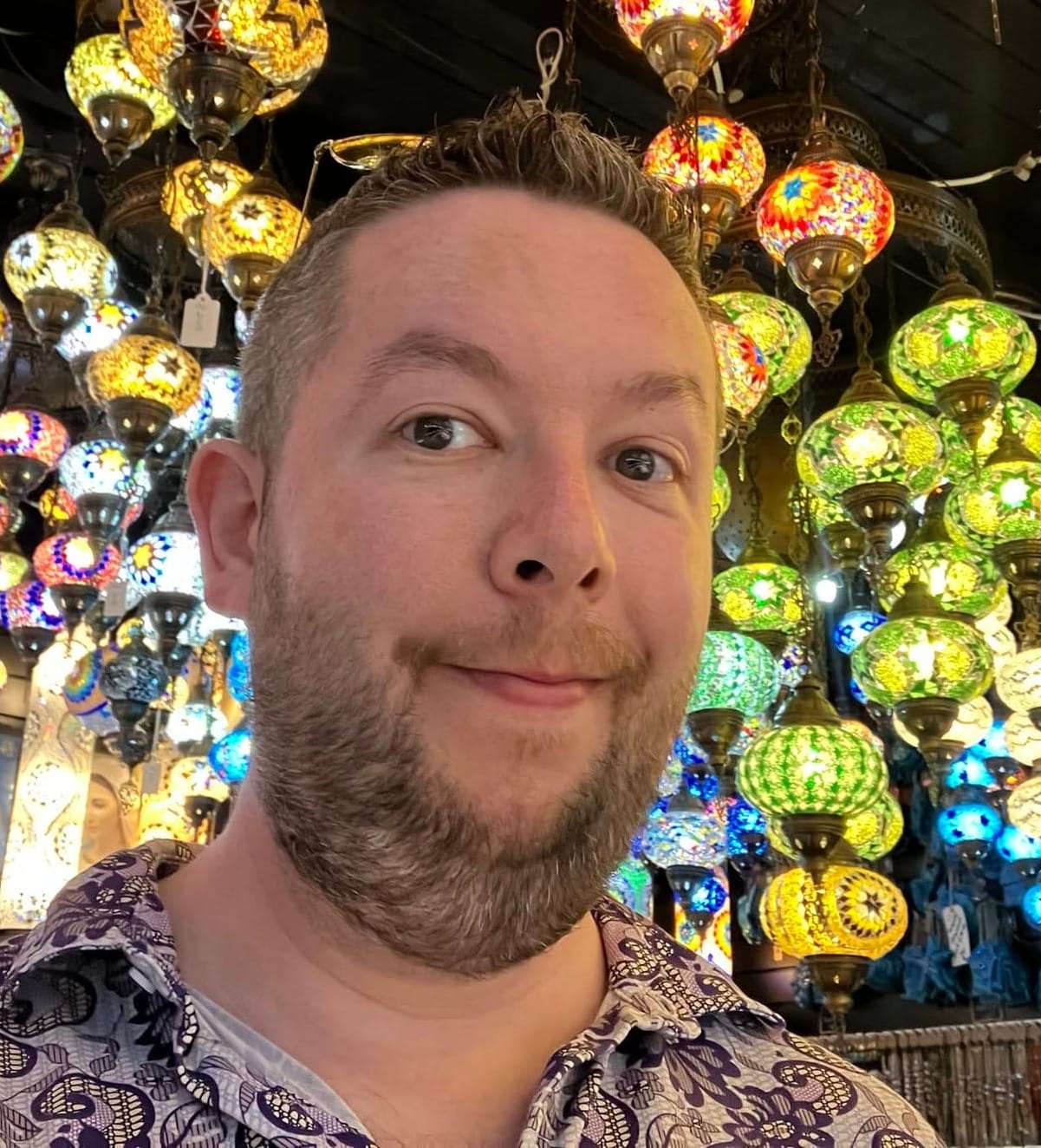
Kevin Jagoe (he/him) is the Education Director at the American Humanist Association. In this role, he oversees the Kochhar Humanist Education Center, which provides educational opportunities serving Humanist and secular communities. Under his leadership, the Center offers a wide range of resources and programs for Humanist individuals, groups, and families across the spectrum, including the Humanist Studies Program, online self-guided studies, The Ten Commitments, and more. Kevin also ensures the Center’s ongoing support for the work of the Humanist Society, which endorses Humanist Celebrants, Chaplains, and Lay Leaders.
Prior to joining the AHA staff, Kevin was a congregational minister at BuxMont UU Fellowship for eight years. His background includes more than two decades of work in the nonprofit sector with organizations ranging in size from five members to several thousand. He has worked within the Humanist movement professionally since 2011, has taught multiple courses about humanism, and is a certified Humanist Chaplain and Celebrant. He was a very dedicated lay leader in his home congregation (First Unitarian Society of Minneapolis) and has been on staff with five Unitarian Universalist congregations. Kevin is currently completing his Doctorate of Ministry at United Lutheran Seminary. That research is on practices of connection for non-theists and the religiously unaffiliated.
Beyond the AHA, Kevin is President of the Unitarian Universalist Humanist Association and serves on the Appointments Committee of the Unitarian Universalist Association. He is a contributor to the books Humanist Voices in Unitarian Universalism & Values in Action.